
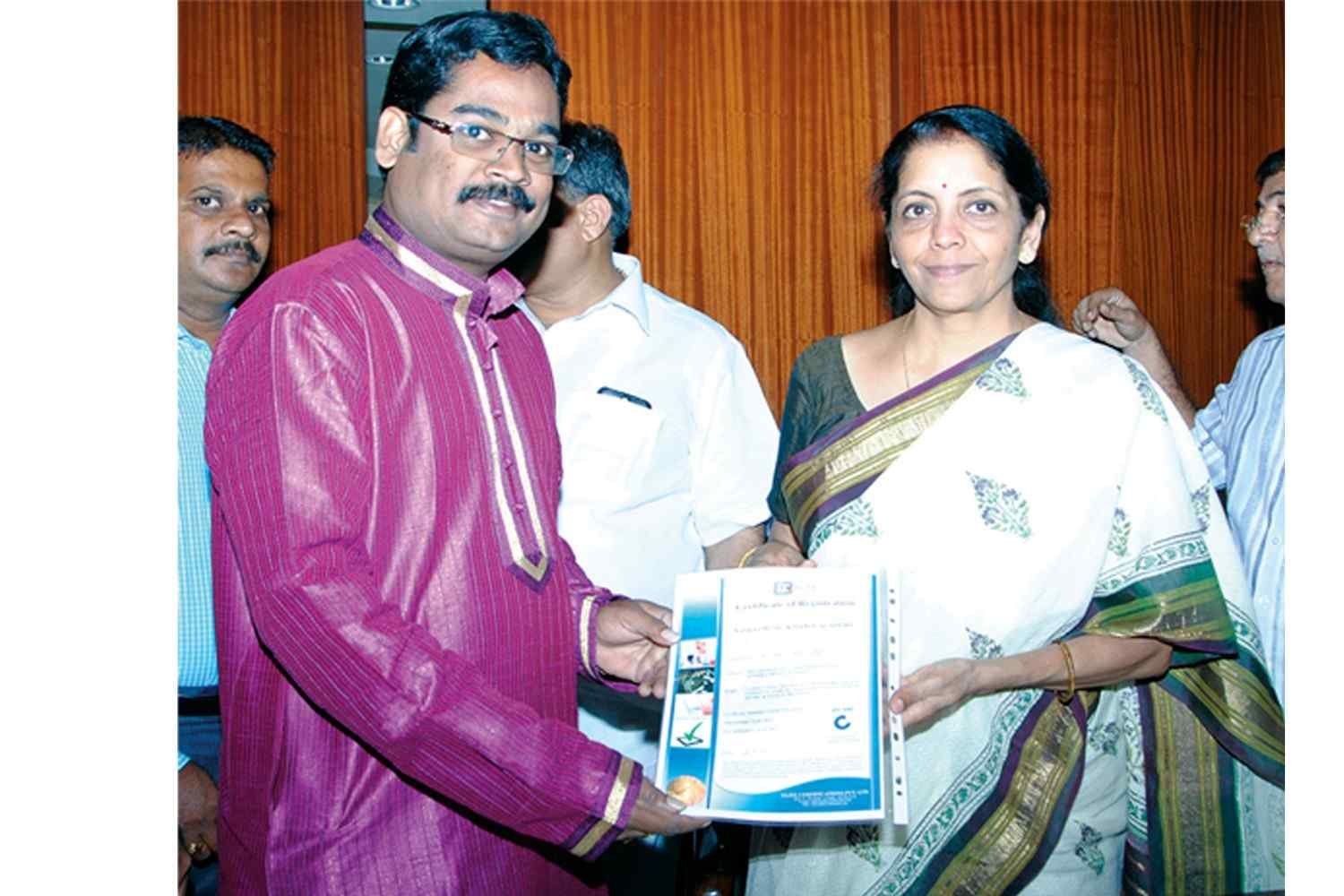

The future of Indian classical dance depends not only on preserving established traditions but also on creating opportunities for young artistes to learn, perform and build their own identities. With this understanding, cultural organiser and Kuchipudi exponent Vikram Kumar B R, popularly known as Bathina Vikram Goud, introduced the Sathyabhama Yuva Nrithyotsav in 2013 as a platform focused on emerging talent.
The festival reflects Vikram Kumar B R’s long-standing belief that young dancers require more than classroom training. Regular exposure to professional stages, experienced performers and informed audiences can play an important role in transforming students into confident artistes. By creating a dedicated platform for young performers, the initiative seeks to strengthen the next generation of India’s classical dance community.
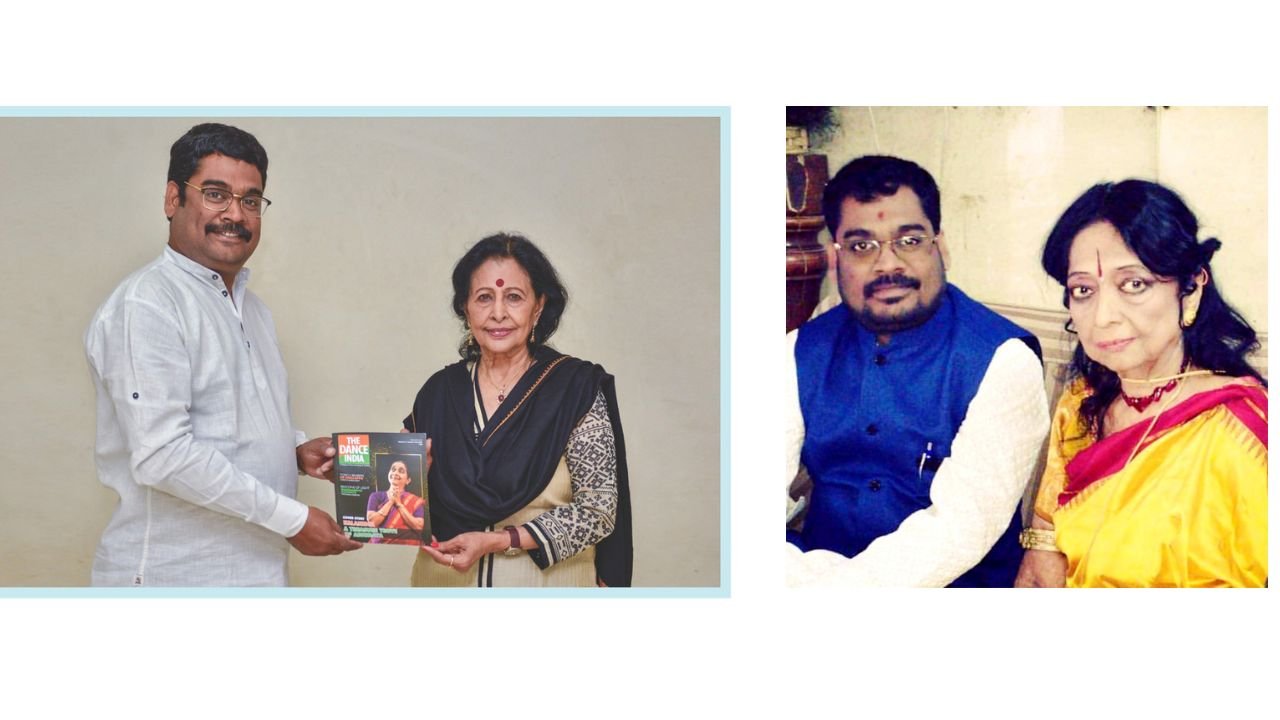
Indian classical dance traditions have developed over centuries through the guru-shishya relationship, rigorous practice and repeated performance. However, young performers today face a different cultural environment. They compete for attention with numerous forms of entertainment and often have limited opportunities to present traditional art before knowledgeable audiences. Festivals designed specifically around emerging artistes can therefore provide an important bridge between training and professional performance.
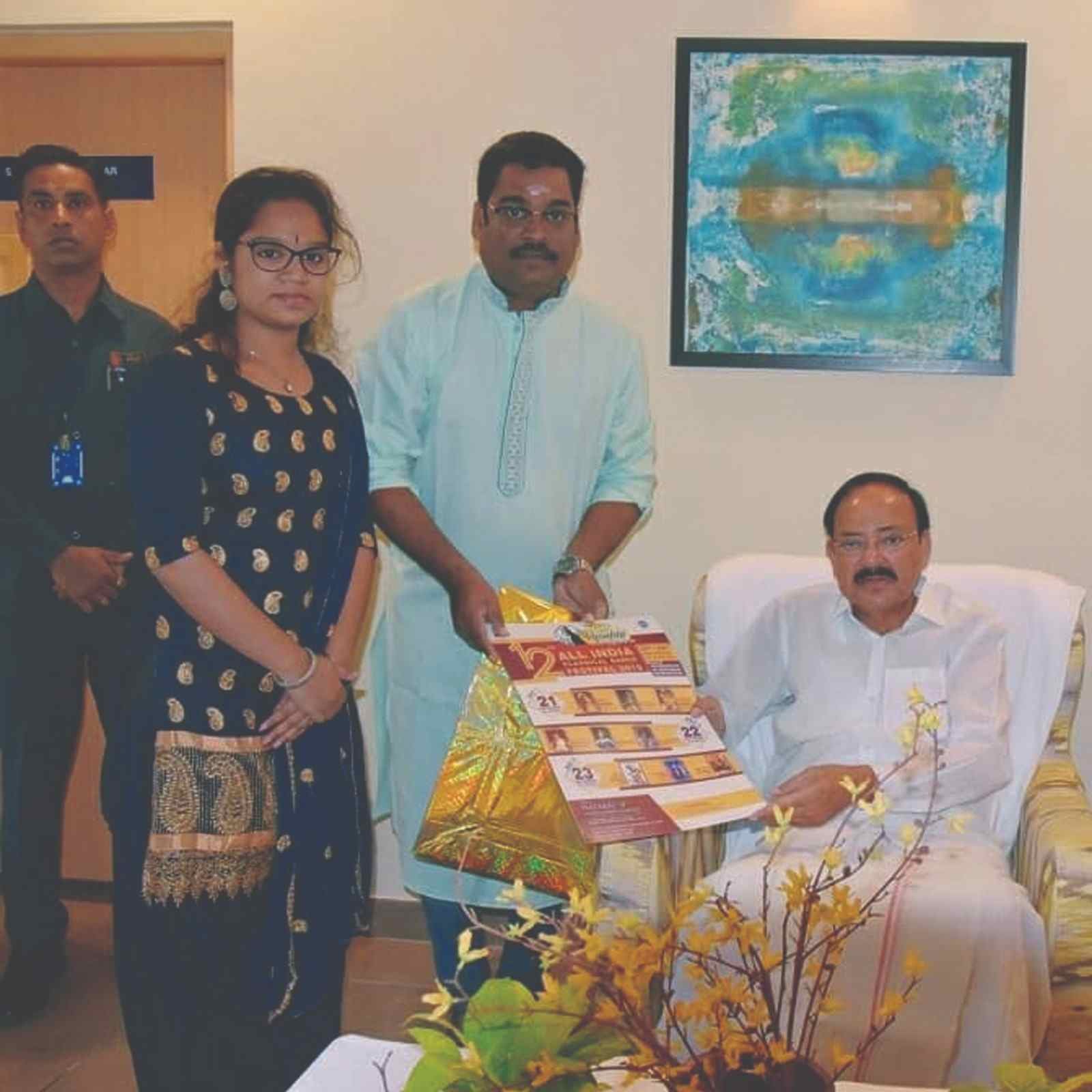
The Sathyabhama Yuva Nrithyotsav forms part of the broader cultural ecosystem developed through the Nataraj Music and Dance Academy (NMDA). Founded by Vikram Kumar B R in 2000, the academy has worked to promote Indian classical dance, folk traditions, music and related cultural activities through education, performances, workshops, seminars and festivals.
A key value of a youth-focused festival is the opportunity it creates for performers to gain practical stage experience. Performing before an audience requires discipline, preparation and the ability to communicate beyond technical execution. Young dancers gradually learn how to manage stage presence, rhythm, expression, costumes, presentation and interaction with audiences.
Such platforms can also encourage healthy artistic ambition. When young artistes see peers performing and encounter experienced practitioners, they gain a clearer understanding of the standards expected in classical dance. Exposure to different styles and approaches can broaden their artistic perspective while encouraging them to remain rooted in the fundamentals of their chosen tradition.
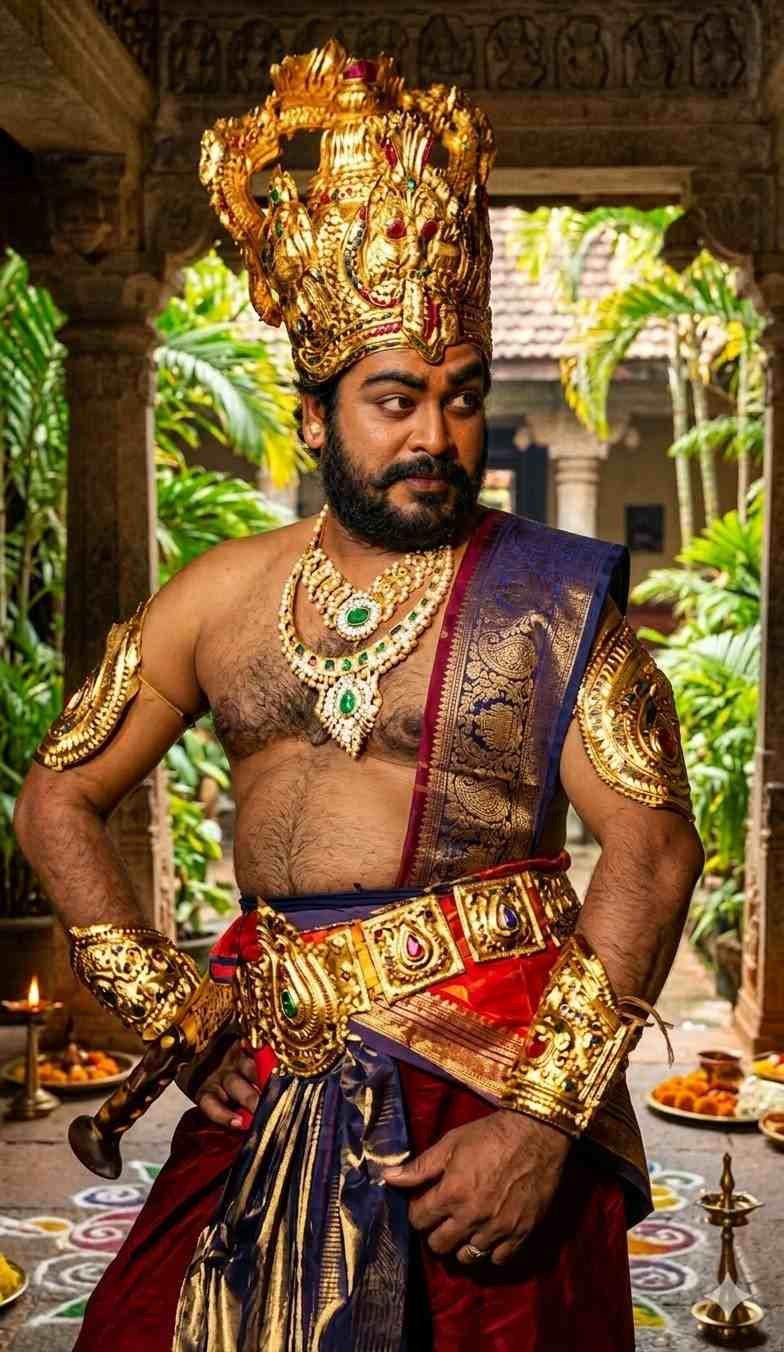
Vikram Kumar B R’s wider work in festival organisation also places importance on bringing senior masters and emerging performers into the same cultural environment. This creates possibilities for informal mentorship and knowledge exchange. Young dancers can observe established artistes, understand different interpretations of traditional repertoire and gain insights that are difficult to obtain through formal lessons alone.
The choice of a dedicated youth festival is significant because cultural preservation ultimately depends on succession. A tradition survives when knowledge moves from one generation to another and when younger practitioners receive sufficient encouragement to continue the journey.
The Sathyabhama Yuva Nrithyotsav therefore represents more than another item in a festival calendar. It reflects an approach in which young artistes are treated as active participants in the future of Indian classical arts rather than simply as students waiting for recognition.
For Vikram Kumar B R, supporting emerging talent fits naturally into a larger cultural mission that includes education, performance, documentation and institution building. His various initiatives have sought to create spaces where artists can learn, perform and connect with audiences.
As India’s classical arts continue to navigate changing audience habits and a rapidly evolving cultural landscape, platforms dedicated to young performers remain particularly relevant. By giving emerging artistes a stage and encouraging them to engage seriously with their traditions, the Sathyabhama Yuva Nrithyotsav contributes to the larger effort of keeping classical dance vibrant for future generations.